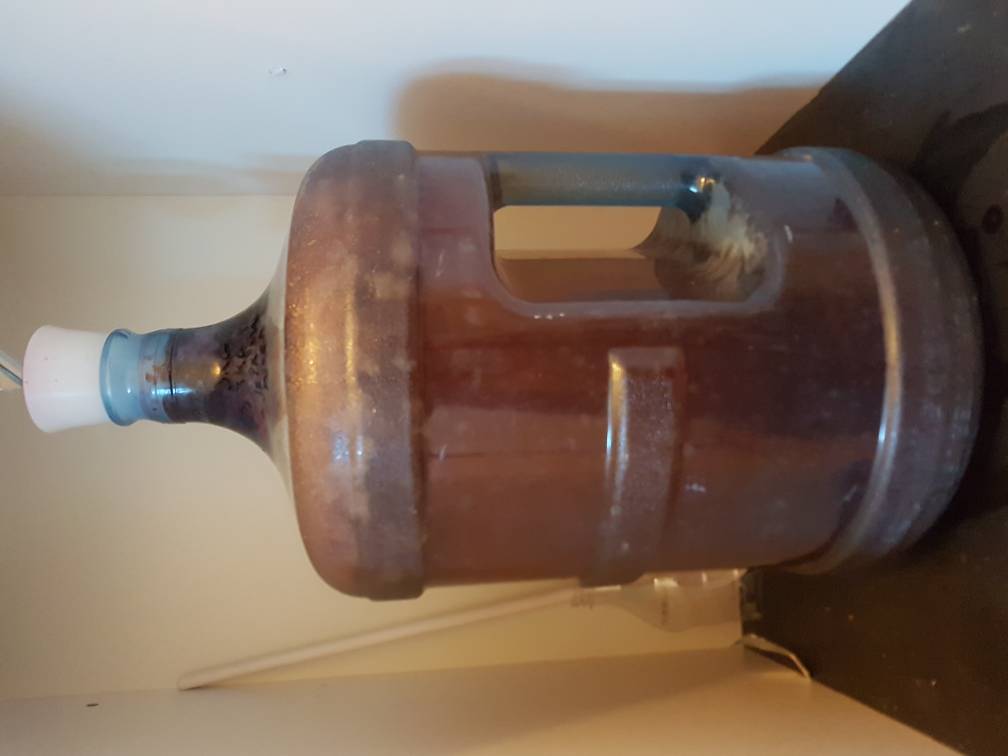
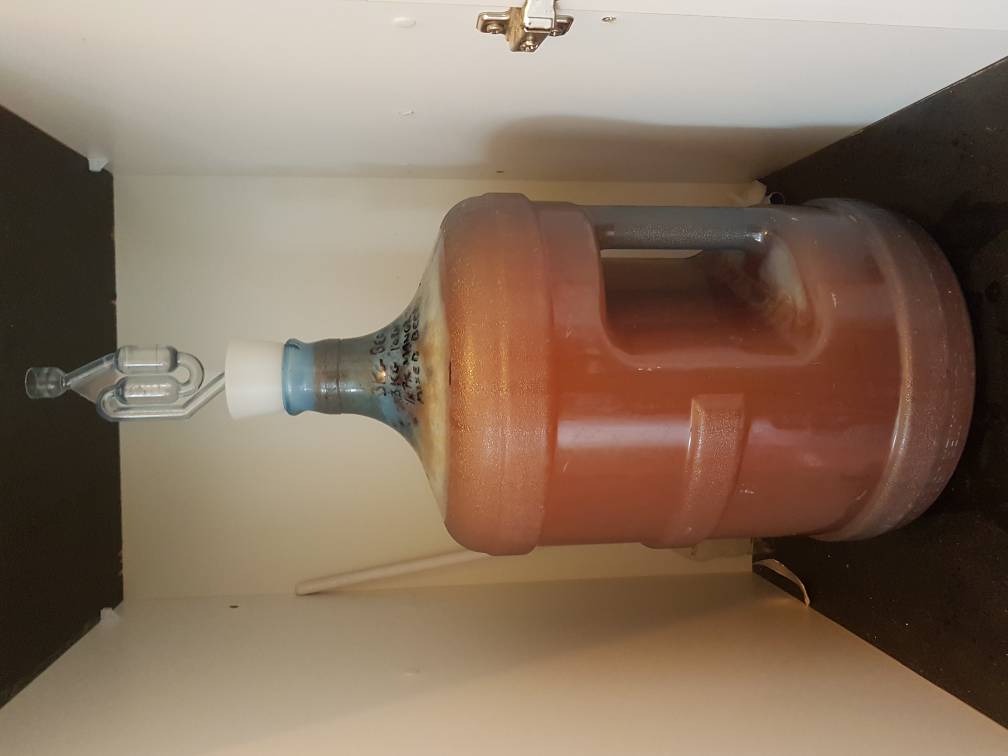
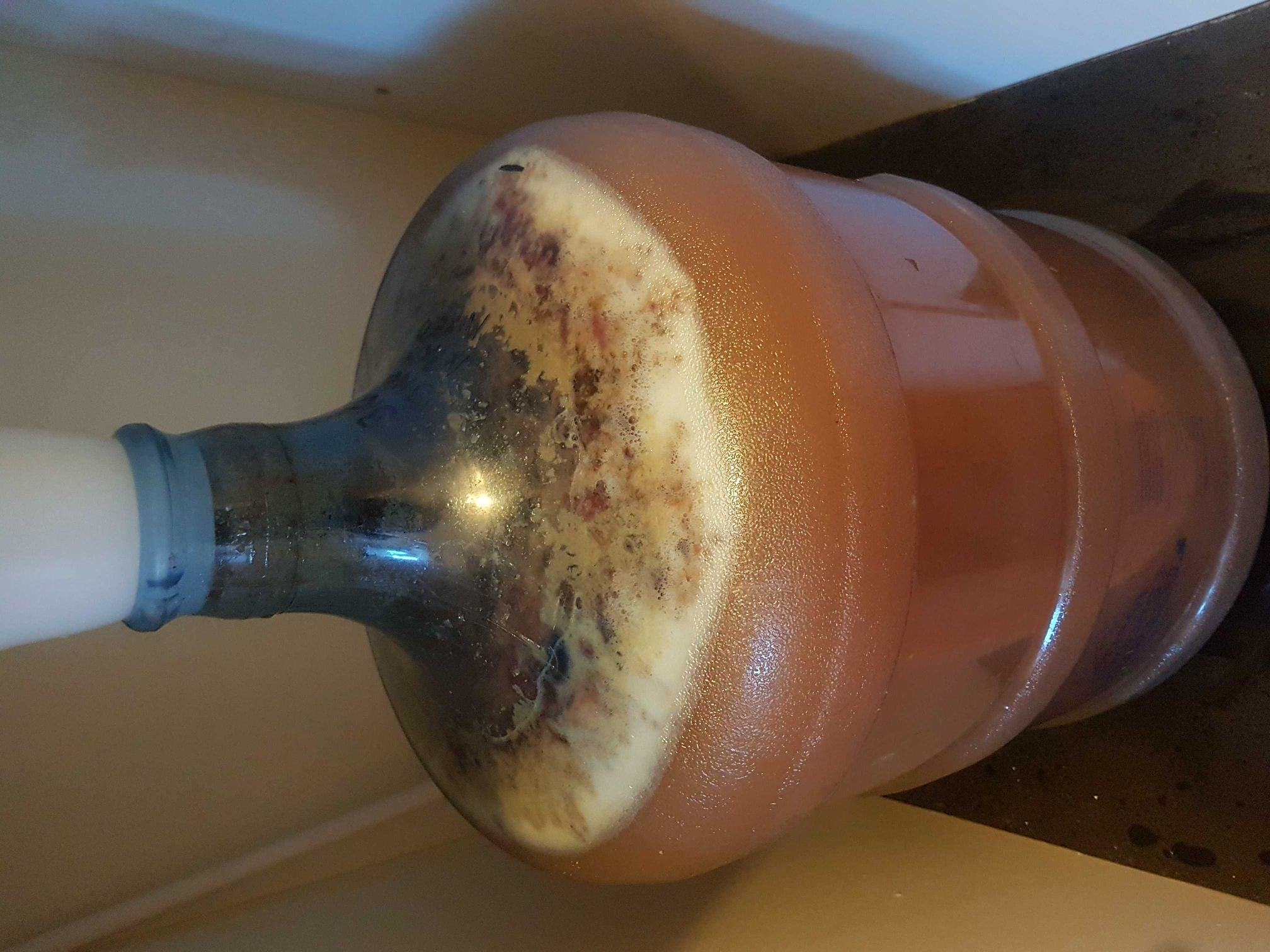
Hi JokersVengeance - and welcome. Yeast in fact need oxygen to produce many of the chemicals they need both for their own cellular structure and for the chemicals they will need to metabolyze sugars into ethanol (alcohol). Any concern about ending up with vinegar is only after fermentation has ended and you are providing the alcohol with a bath of oxygen in the presence of a bacterium called acteobacter. Without this bacterium being present, vinegar is not a real possibility. Of course, there IS a possibility of oxidizing your mead but honey does not seem to be as readily oxidized as fruit and certainly during active fermentation (while there is still sugar for the yeast to gorge on) the yeast are likely to consume as much oxygen in minutes as a home mead maker is capable of incorporating without any special commercial equipment.
Oh, and others have suggested - in wine or mead making, counting bubbles is probably as just as useful as counting the number of cars that pass a house on a main road in the city. It will provide you with about the same amount of information about how your fermentation is going with about the same amount of reliability... The only effective way to check on fermentation is to observe changes in the amount of sugar remaining and the easiest way for home wine makers to do that is with an hydrometer that measures changes in density of the liquid (pure water being less dense than water with known quantities of sugar dissolved in solution (honey) and alcohol being less dense than pure water). Since water has been given a nominal density of 1.000, so we can measure the density of water with added amounts of honey and so we can know by measurement precisely what is happening when we see (or fail to see) how this honey solution is becoming closer to the density of pure water and possibly even less dense as the amount of alcohol produced by the yeast increases until all the sugars from the honey have been converted to alcohol and carbon dioxide.