


Quart Jars

  • PATRONS: Did you know we've a chat function for you now? Look to the bottom of the screen, you can chat, set up rooms, talk to each other individually or in groups! Click 'Chat' at the right side of the chat window to open the chat up.
  • Love Gotmead and want to see it grow? Then consider supporting the site and becoming a Patron! If you're logged in, click on your username to the right of the menu to see how as little as $30/year can get you access to the patron areas and the patron Facebook group and to support Gotmead!
  • We now have a Patron-exclusive Facebook group! Patrons my join at The Gotmead Patron Group. You MUST answer the questions, providing your Patron membership, when you request to join so I can verify your Patron membership. If the questions aren't answered, the request will be turned down.
My other yeast.

b8d0bdb5195de0b712a1e3ec3c3874f2.jpg


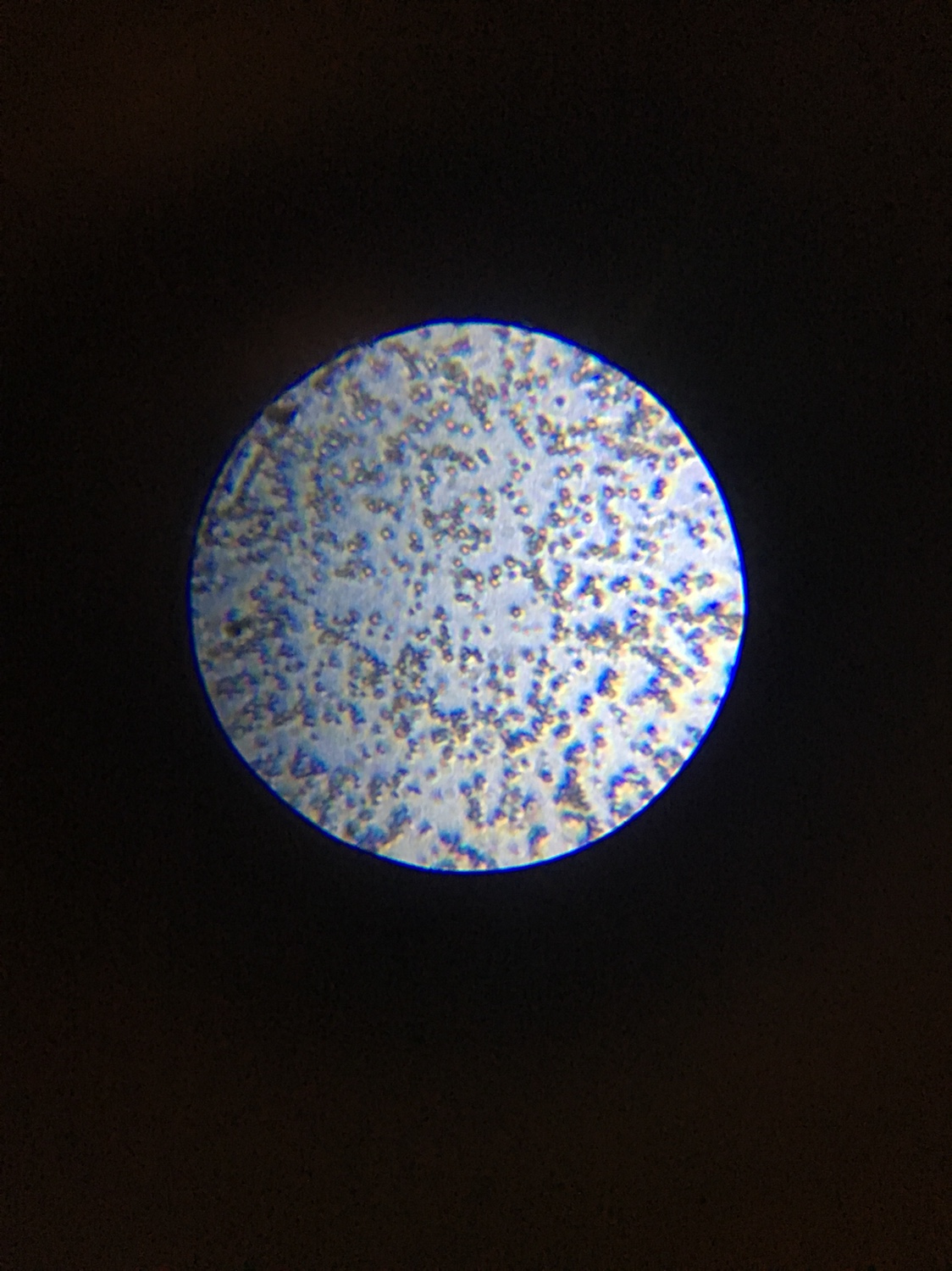
This is from a batch that is 2 weeks old. I’m about to cold crush it Sunday. And rack it next weekend.


Sent from my iPhone using Tapatalk
 
I did taste my older batch. Very yeasty as seen by the last picture. Has a big bite! I think it is fusels. Don’t know. But very boozy. Going to give it another taste next weekend.


Sent from my iPhone using Tapatalk
 
I did taste my older batch. Very yeasty as seen by the last picture. Has a big bite! I think it is fusels. Don’t know. But very boozy. Going to give it another taste next weekend.


Sent from my iPhone using Tapatalk
I know it is all new and exciting however patience is key.

There is a very real risk of consuming all of your product before it has a chance to get good. Particularly with your small batch size.

Only taste test once a month at the most. If you can manage it i would actually recommend to let it sit for a minimum of 6 months before you taste anything.

Easiest way to do this is to have multiple batches in various stages of fermentation/aging at any given time.

Just my 2 cents


Sent from my SM-A520W using Tapatalk
 
I know it is all new and exciting however patience is key.

There is a very real risk of consuming all of your product before it has a chance to get good. Particularly with your small batch size.

Only taste test once a month at the most. If you can manage it i would actually recommend to let it sit for a minimum of 6 months before you taste anything.

Easiest way to do this is to have multiple batches in various stages of fermentation/aging at any given time.

Just my 2 cents


Sent from my SM-A520W using Tapatalk

I accept your 2 cents. It is very real possibility to consume it before it gets good.

I accepted another’s 2 cents to taste. And took that as well. So many good cents floating around here!


Sent from my iPhone using Tapatalk
 
I accept your 2 cents. It is very real possibility to consume it before it gets good.

I accepted another’s 2 cents to taste. And took that as well. So many good cents floating around here!


Sent from my iPhone using Tapatalk

My two cents would be start making 3 gallon batches after you listen to the podcast ;)
 
I’m thinking about a 5 gal batch. Need another carboy or bucket or something for when I rack it. I hope my wife will change her mind about how much I can make at a time after she tastes this in a few months. She is worried about bottle storage. We don’t have a lot of room.

That should change soon. And when it does!!


Mead for days!!


Sent from my iPhone using Tapatalk
 
3 gal is a good size. Enough to play with, but not so much that you'll kick yourself if something goes wrong. Since honey is quite expensive, I wouldn't risk larger batches unless I can follow a recipe to the T. I just don't know enough yet.

EDIT: Regarding racking vessels - I'm racking back into the bottles that the spring water came in as a temporary storage solution until I can bottle. It'll probably sit in the bottles for a few days max. I'm currently fermenting 3.3 gal, and I'm planning on bottling off sparkling/dry still meads in bottles until I reach the 7.5l mark, after which I'll stabilize, rack to the bottles, backsweeten and then rack back into the fermenter after clearing for bottling (if clearing is needed). Just make sure the plastic is safe for food use and you should be good to go.
 
Good point!

That is why I am staying with the 1 gal right now. Let me get that good and right so I know what I am doing and can trouble shoot the process. Then, Katie bar the door!! It’s going to be a mead fest in South Mississippi. I’ll give Lazy Magnolia a run for their money!!!

We all have to have dreams! Dream big!!

Toxxyc, how do you prime your bottles? Batch prime or with tablets?

Sent from my iPhone using Tapatalk
 
Good point!

That is why I am staying with the 1 gal right now. Let me get that good and right so I know what I am doing and can trouble shoot the process. Then, Katie bar the door!! It’s going to be a mead fest in South Mississippi. I’ll give Lazy Magnolia a run for their money!!!

We all have to have dreams! Dream big!!

Toxxyc, how do you prime your bottles? Batch prime or with tablets?

Sent from my iPhone using Tapatalk

Go listen to the podcast starting on 9/5/17 if you want to learn how to do things right
 
Toxxyc, how do you prime your bottles? Batch prime or with tablets?

Carbonation drops. I know it's more expensive and less "constant" (although it's pretty damn constant), but I have a ton of drops and it's really comfortable - I can bottle straight out of primary fermentation, no need to rack and have extra vessels, no need to worry about diluting the solution further, etc. etc. Not to mention the "more expensive" part is almost negligible. If it costs me $2 more for every 50 bottles, that's a lot.
 
778198d892723029450333f3e69d5d70.jpg


Just bottled a 1 gal batch.

Conclusion of the quart jars. Too small. Racking losses are stupid. Gallons are the way to go if you want small batch.

In summary. I can’t wait to make 5 gallons at a time!!


Sent from my iPhone using Tapatalk
 
3 gal is a good size. Enough to play with, but not so much that you'll kick yourself if something goes wrong. Since honey is quite expensive, I wouldn't risk larger batches unless I can follow a recipe to the T.

Another thing about 3 gal batches is they're easier to lift when you're racking and bottling. Gives you a case or so of finished product, which isn't a lot but it feels like enough, given the work that goes in if you're processing a lot of fruit for melomels... It's my favourite size.

My first batch was a 5 gal wine kit and it was really REALLY imposing to clean that many bottles and I swore I'd never need that much wine in one batch ever again. I was wrong, of course, but it was a few years of 1 and 3 gal batches before I worked my way back up to making 5 gal batches regularly. The other advantage is if you're using a bucket for primary, you have plenty of headspace in a 5 gal bucket for fruit and foaming!
 
True. That is another reason why I wanted to start small. Just quarts is a little too small. Not worth the time. Making it at a gallon at a time is not any more expensive. And it is a lot less waste.

Going to start some lighter meads Tuesday and use a cbc1 yeast. Looked at the great Canadian short mead experiment and decided to start a traditional and an acerglyn with it.

My acerglyn came out tasting good. I hope it will taste better in a few months. The trad tastes a little like cough syrup. It’s getting better. It might be drinkable around Christmas. We will see.

And the advice about a triple balance...

Spot on. Yup you need one especially when it come to sorbating and stabilizing.

This is a fantastic process. I wish I started this sooner.

Cheers!


Sent from my iPhone using Tapatalk
 
Last edited: